We install both kinds, so we have no reason to talk you into either one. Some houses here are a good fit for tankless. Plenty are not.
The pitch you have heard is endless hot water and no tank sitting in the garage waiting to flood it. Both of those are true. What the pitch skips is that Arizona changes the math in one good way and one bad one.
Warm inlet water works in a tankless unit's favor. Our hard water works against it. Which one wins at your house is the whole decision.
Warm Valley water is the case for tankless
A tankless heater stores nothing. It fires when you open a tap and heats the water as it goes by. How much it can heat at once depends on how cold that water is when it arrives.
That is where Arizona helps. Supply lines here run through warm ground, and by mid summer the water reaching your house is already close to warm. A tankless unit in Mesa has a much smaller gap to close than the same unit in Denver.
The real effect is on sizing. In a cold climate a family-sized unit gets pushed to its limit in winter and the flow falls off. Here the same unit keeps up with a shower and a dishwasher most of the year.
People like two other things about the switch. You get the corner of the garage back that the old tank owned, and there is no stored tank of water waiting to split while you are at work.
Winter is still the test. Valley water does cool off in January, so if the plumber sizing your unit never asks how many showers run at the same time, find one who does.
Hard water is why we talk Mesa homeowners out of it
Everything in the East Valley scales up. Our water runs 12 to 20 grains hard, and a tankless heater aims all of that at one small part: the heat exchanger it pushes water through.
A tank gets to be lazy about mineral. Sediment drops to the bottom and sits there, and the unit limps along for years that way. A tankless heater has no bottom to hide mineral in, so scale forms right on the surfaces doing the heating.
So a tankless unit in this water needs descaling on a schedule. Skip it and you get short cycling, error codes, and lukewarm water halfway through a shower. That is a maintenance failure, not a bad heater.
Be honest about these four before you buy one:
- Will you really book the descaling every year, or will it go the way of the tank flush you have never done?
- Do you have a working softener, or a loop the builder stubbed into the garage that nobody hooked up? Soft water is what makes a tankless heater easy to own here.
- Are you staying in the house? What you get back on a tankless install shows up in the later years, not the first one.
- Who services it? These units need a plumber who works on them, and that matters more in year 8 than on install day.
If the first two answers are no, buy a tank. We say that out loud at kitchen counters in Mesa and Gilbert, even when the tankless unit is the bigger ticket.
The install is where an older Mesa house says no
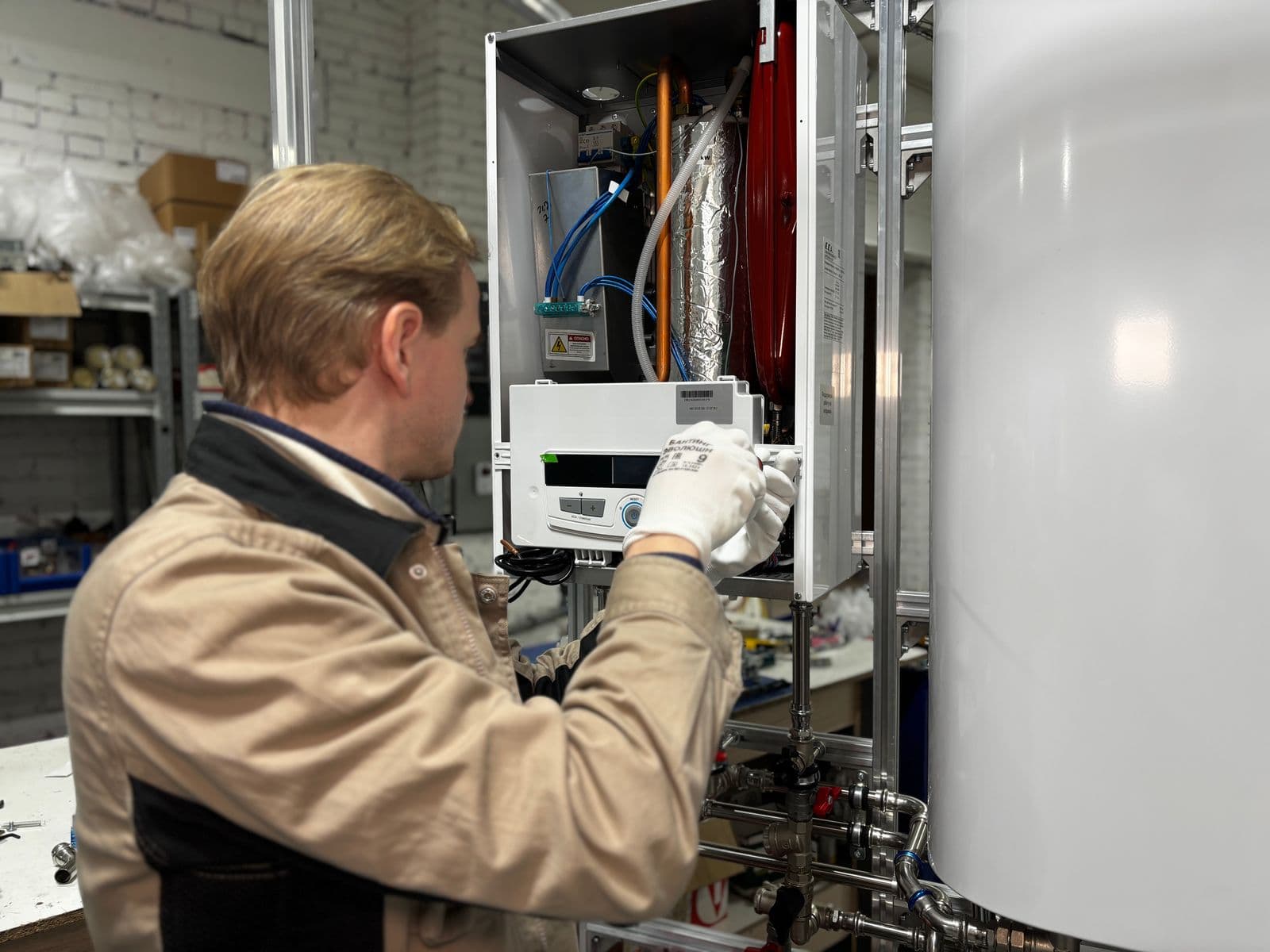
The heater is the easy part. Going from a tank to tankless means work on a few other systems. In an older Mesa or Tempe house, that is where the cost shows up.
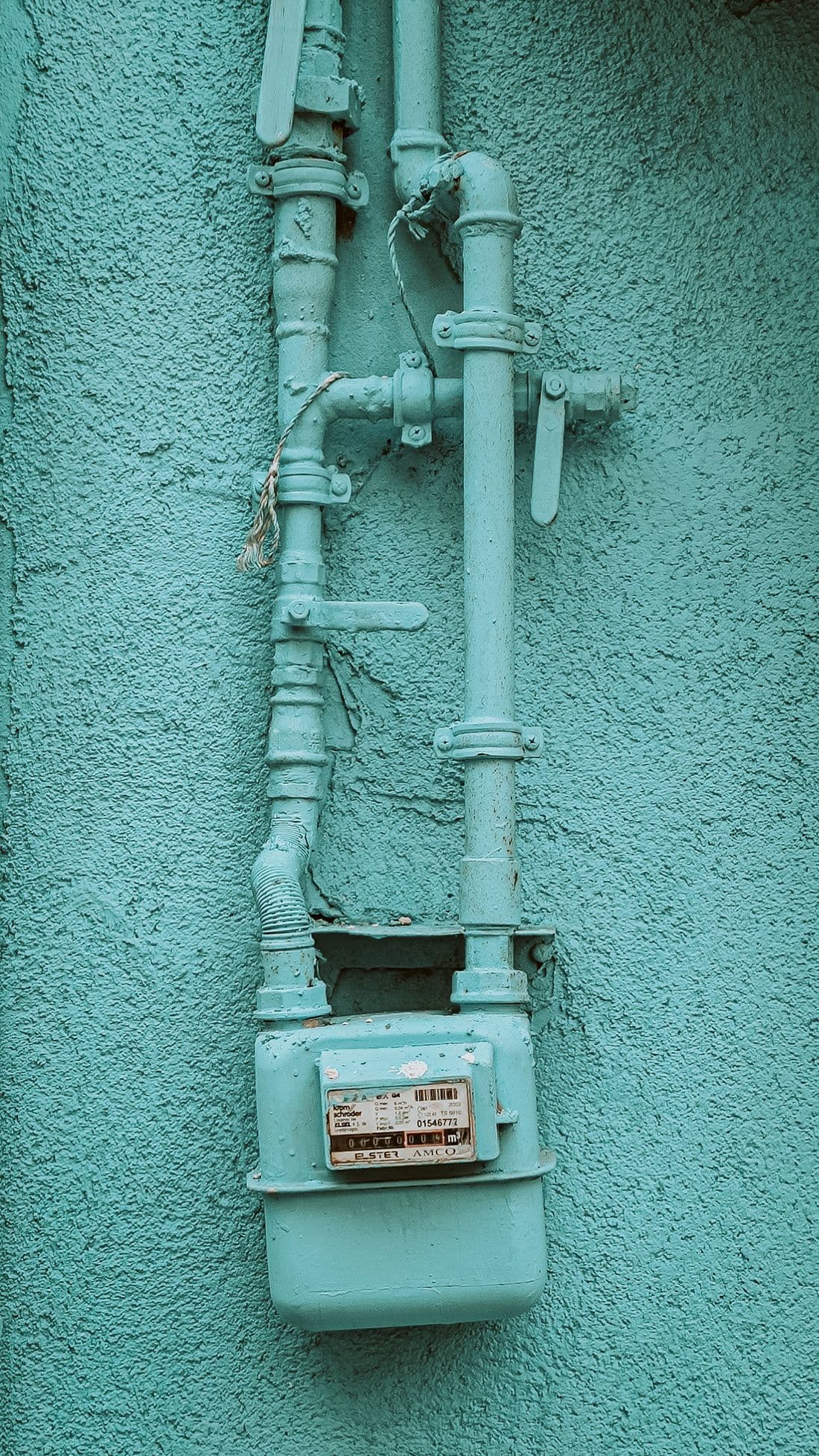
Gas is the big one. A tankless burner wants far more gas in a short burst than a tank ever asked for, and the line that fed the old tank is often too small to carry it.
Sometimes the fix is a short piece of new pipe. In a house with a long run from the meter, the gas work can cost more than the heater. We size the gas before we price the unit, because that is the number that moves.
The rest of what tends to come with a switch:
- New venting. A tankless unit vents differently than the old flue did, so the hole through the wall or roof changes.
- A condensate drain. The efficient units make acidic water, and it has to go somewhere it is allowed to go.
- Power at the heater. Even a gas unit needs an outlet for its controls, and plenty of garage tank spots have none.
- Water treatment, if you have none. A softener or a filter ahead of the unit is the cheapest protection the heat exchanger can get.
- Wall mounting and clearances. It hangs on the wall, so the wall has to be sound and the space around it has to stay open.
None of this is a reason to skip tankless. It is the reason two bids on the same house come back so far apart. A bid that never mentions your gas line should worry you.
How we would pick at your house
Go tankless if your water is softened or will be, you will keep up with the descaling, you are staying put, and that garage corner matters to you. In that house it is a good unit and we will put it in gladly.
Keep a tank if your water is hard and untreated, or upkeep is not your thing. Keep one too if the gas and vent work turns a heater swap into a remodel. A flushed tank with a fresh rod serves a Valley house well.
If you cannot tell which house you have, call us. We will look at your gas line, your softener loop, and the spot the old tank sits in, then say which way we would go if the bill were ours. We install both, so the answer is not a sales pitch.