A lot of the Valley's best houses are mid-century ranch homes. Arcadia, central Phoenix, the older blocks of Mesa and Tempe. Most went up between the 1950s and the 1970s, and many still run on the water pipe they were built with.
That pipe is now 50 to 70 years old. Some of it is fine, but a lot of it is not. It rarely fails all at once, and it sends small signals for years first.
Here is how to read them, and how to tell a repair job from a repipe.
Start by finding out what pipe you have
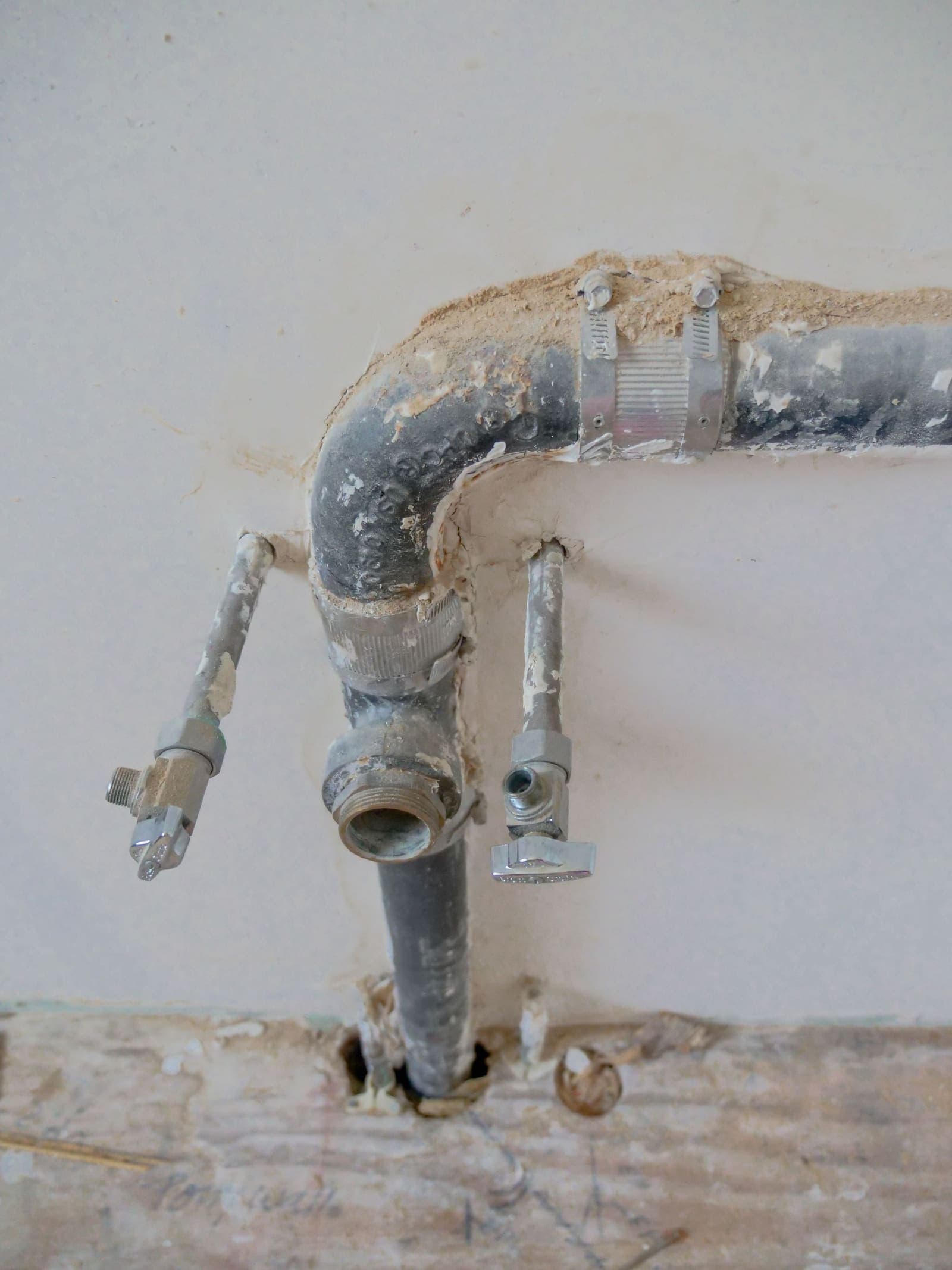
Most mid-century Valley homes got galvanized steel water lines. Some got copper, mostly late in the era. The drains are their own system, often cast iron or clay, and they age on their own clock.
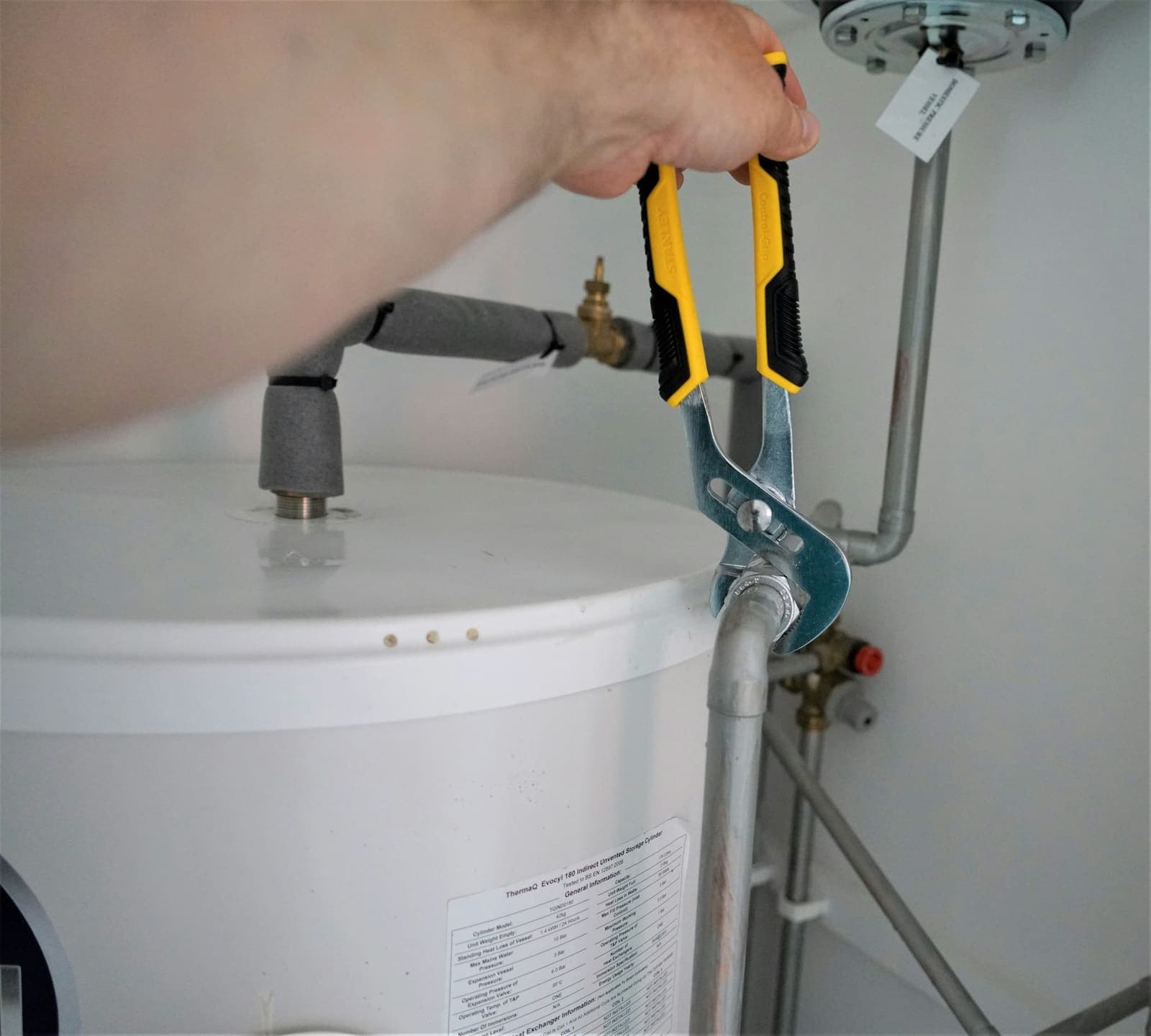
Two minutes at the water heater or the main shutoff tells you a lot:
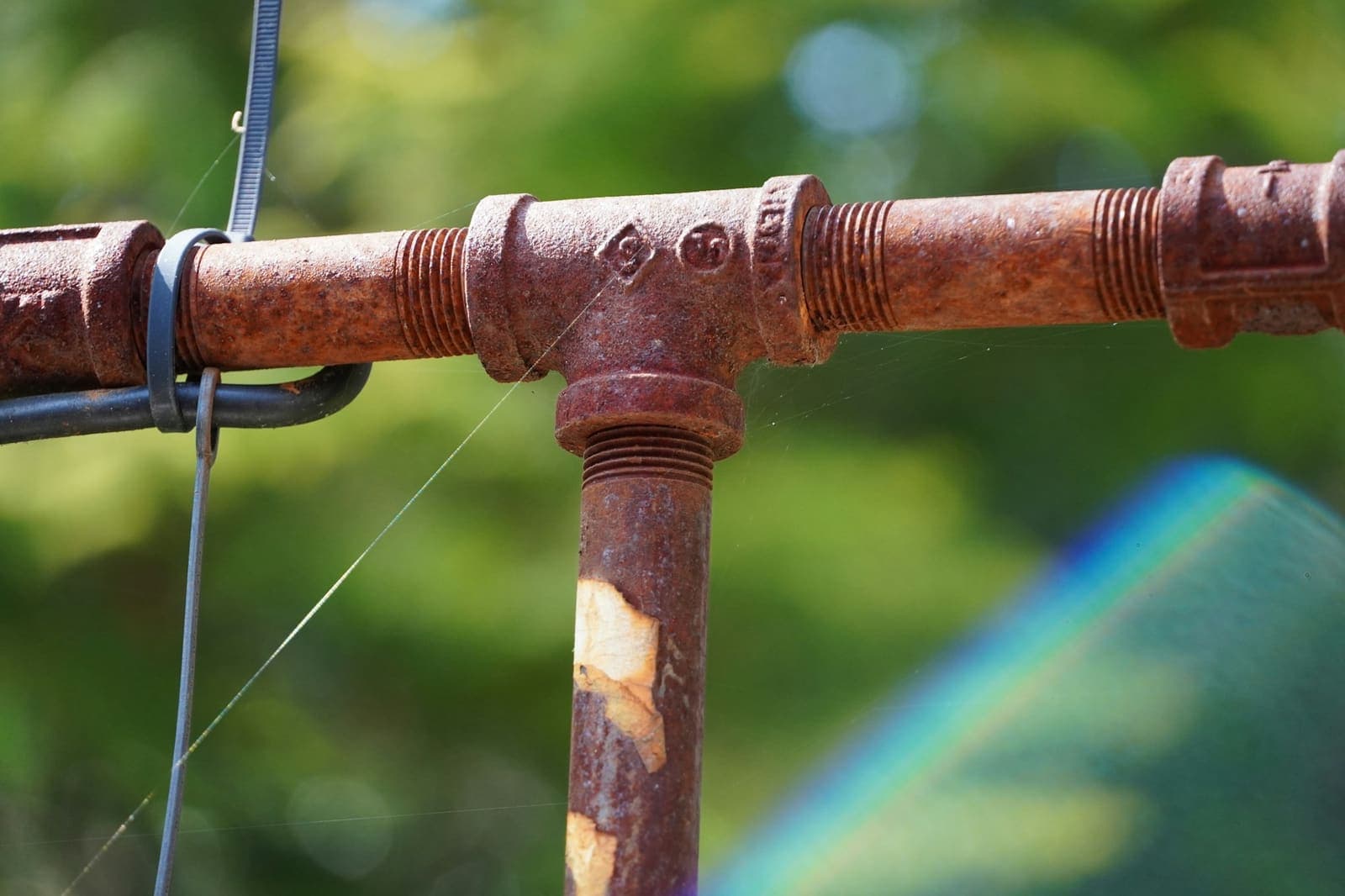
- Galvanized steel is dull gray, a magnet sticks to it, and the joints are threaded.
- Copper is penny colored, or brown and green where it has aged. A magnet will not stick.
- Gray plastic pipe stamped PB is polybutylene. It came later, from the 1970s into the mid 1990s, and it should come out whether it leaks or not.
- White or cream plastic is CPVC. Red, blue, or white flexible tube is PEX. Either one means someone already repiped at least part of the house.
Check more than one spot. Plenty of these homes had a section redone after a leak decades ago, so the pipe at the water heater may not match the pipe inside the walls.
Not sure? Scratch a dull spot with a key. Galvanized shows silver under the gray, and copper shows bright orange.
The signs that point to a repipe
One leak is a repair. A pattern is the pipe telling you it is done. These are the patterns that matter in an older Valley home.
- Brown or rusty water first thing in the morning that clears after a minute. That water sat overnight in rusting steel.
- The hot side runs weaker than the cold. Heat speeds up corrosion, so the hot lines choke first.
- Pressure that faded over the years all through the house, not at one faucet.
- A second or third pinhole leak in copper. Pinholes come in families, because the whole run is the same age.
- Leaks at threaded joints. That is where galvanized pipe is thinnest, so that is where it lets go.
- Toilet and faucet valves that clog with grit, even right after you replace them. That grit is rust from the pipe upstream.
- A plumber told you the pipe crumbled when they tried to fix one spot.
Weak flow at a single faucet does not count. That is usually a clogged aerator or a worn cartridge, and the fix costs a few dollars.
Your leak history counts too. A slab leak in a mid-century home is often the old supply pipe giving way under the floor. If you have had one, the rest of that pipe is the same age as the part that failed.
Why waiting costs more in a Valley home
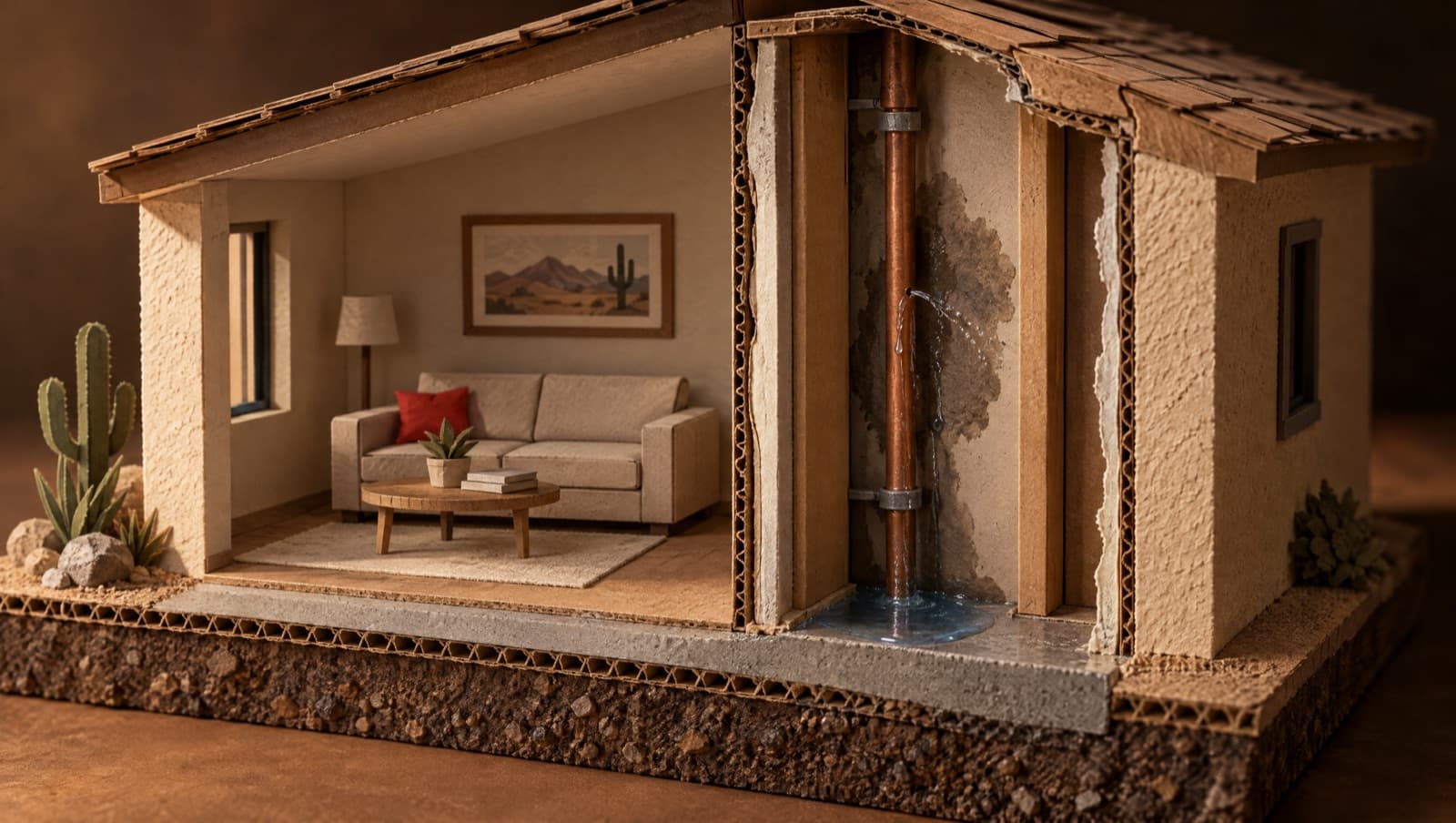
Most mid-century Valley homes sit on a concrete slab, and some of the water lines run under it. When those lines fail, the leak happens where you cannot see it.
Each slab leak means finding it, cutting the concrete, and patching it. Then the next one waits on the same old pipe. A repipe usually runs new lines through the attic and caps the old ones under the slab, so that whole risk goes away.
Hard water speeds all of this up. Valley water runs 12 to 20 grains hard, and the scale settles on top of the rust inside galvanized pipe. The pipe closes down faster than rust alone would manage.
The small bills add up while you wait. A pinhole repair one year, a valve that snapped off in the wall the next, a new aerator every season. None of it makes the pipe any younger.
Insurance can force the timing too. Some insurers ask about galvanized or polybutylene pipe when they write or renew a policy on an older home. A repipe settles that question for good.
What to do this week
Find your pipe type at the water heater and the main shutoff. Run the hot tap first thing in the morning and look at the first glass. Write down every leak from the last few years and where it was.
If two or more signs line up, call us. We look at the pipe, test the pressure, and give you an honest answer: a repair, a partial repipe, or a full one. You get an itemized quote before any work starts.
If it is a full repipe, we price PEX and copper side by side. You pick with real numbers in hand.