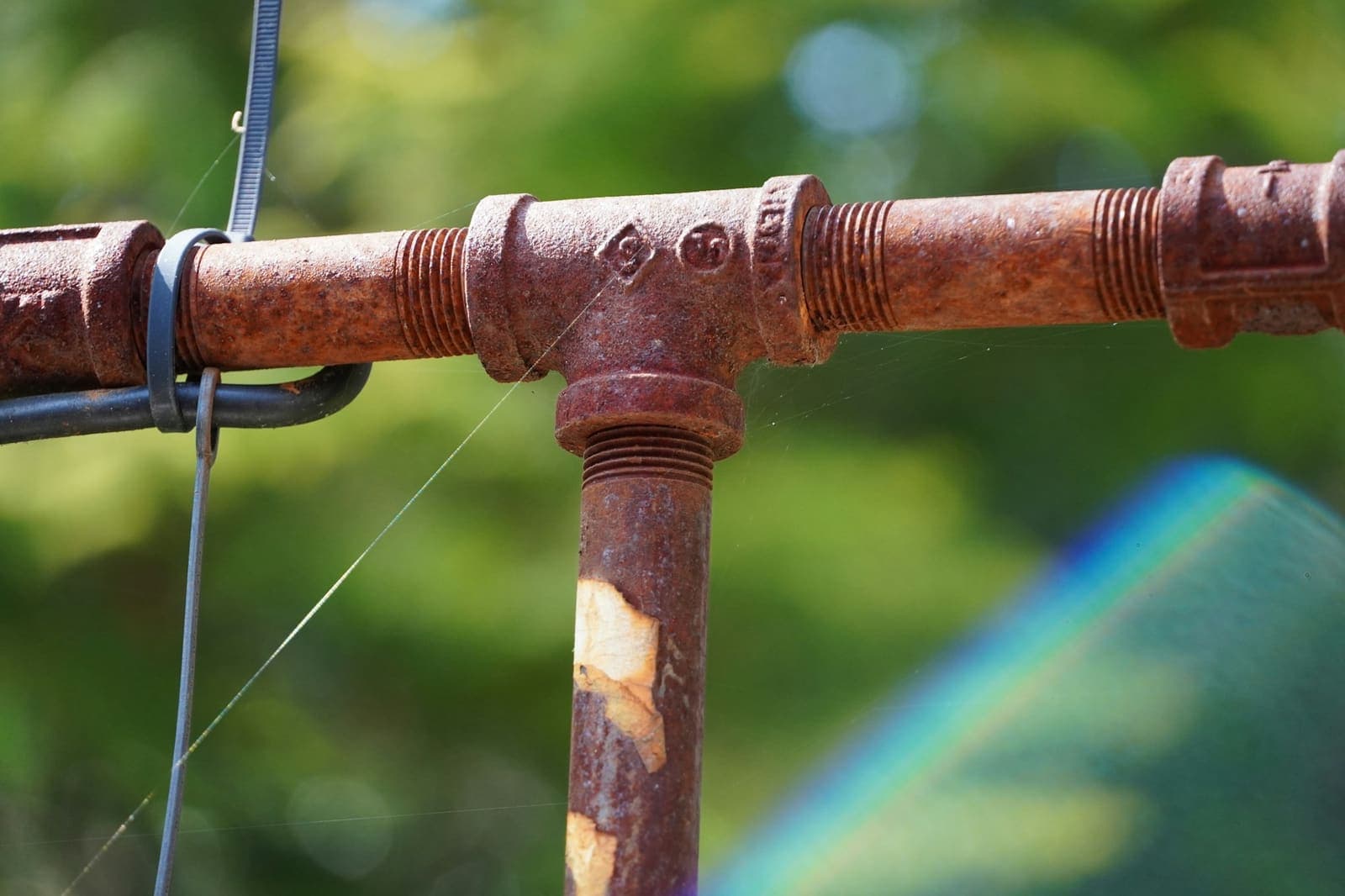
Galvanized pipe is steel pipe dipped in a coat of zinc. Valley builders used it for water lines in homes built before the 1970s, and plenty of it is still in service.
The zinc was there to keep the steel from rusting. It was never going to last forever. Once it wears through, the steel rusts from the inside and the pipe starts to close up.
How galvanized pipe fails from the inside
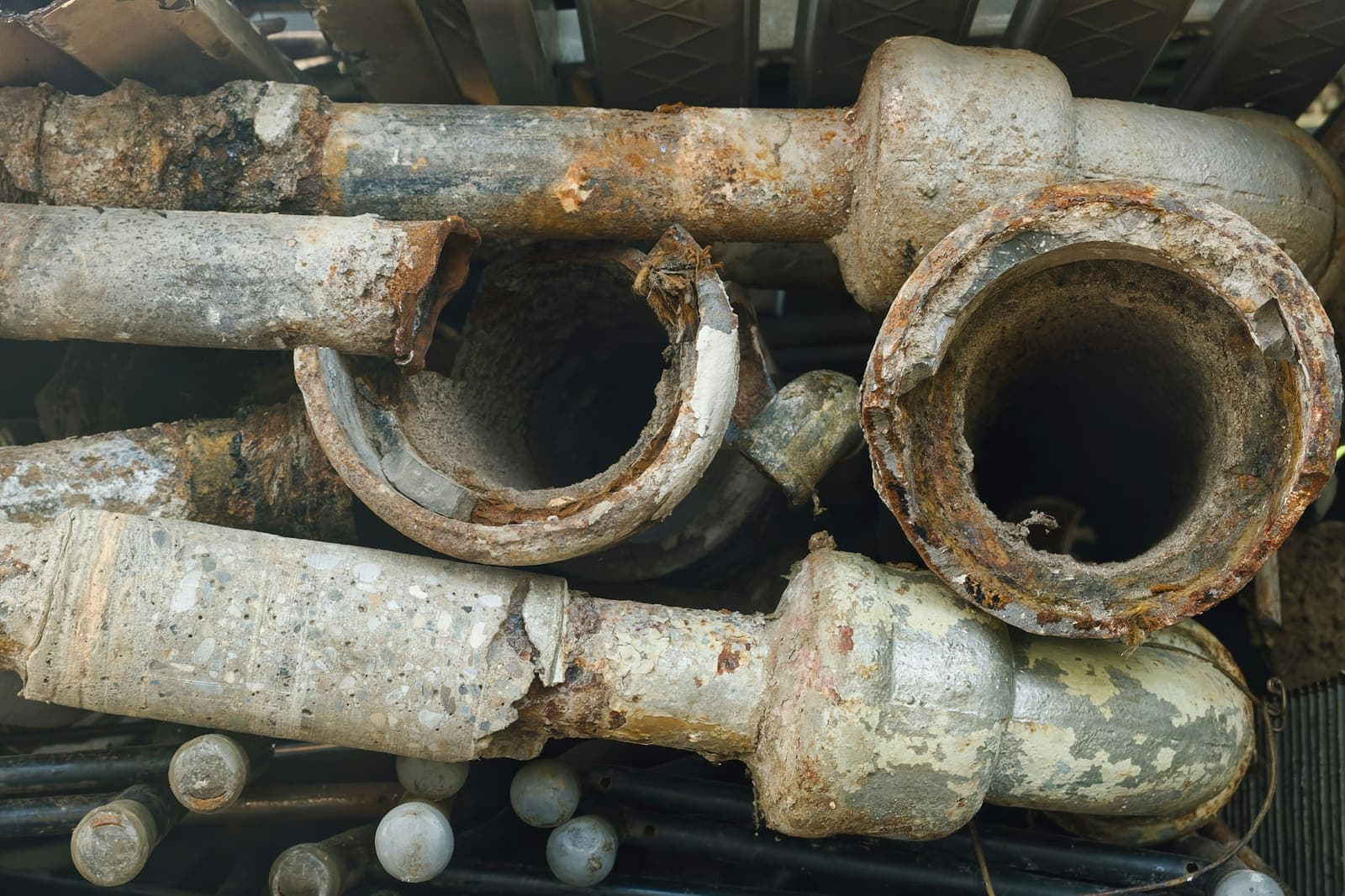
Water slowly wears the zinc coating off the inside wall. Hot water and hard water both speed that up. Once the steel is bare, rust forms in bumps along the wall.
Those bumps grow. Over the years they narrow the inside of the pipe, so less water gets through. A line that started at a half inch across can choke down to a small part of that.
Valley water adds its own layer. At 12 to 20 grains, calcium scale settles on the rough rust and closes the pipe even faster than rust would on its own.
It does not fail evenly, either. Hot lines go first, because heat speeds up the rust.
Long flat runs go before short drops, since rust and grit settle along the bottom. That is why the shower at the far end of the house is usually the first one to go weak.
Galvanized also sheds. Flakes of rust break loose and ride the water to the nearest tight spot, which is usually an aerator, a shower valve, or a toilet fill valve. If you clean the same aerator every few months, the pipe behind it is the reason.
In the house, that shows up as:
- Weak flow that got worse over the years, worst on the hot side
- Brown or orange water after the pipes sit overnight
- Rust flakes that clog aerators and toilet fill valves
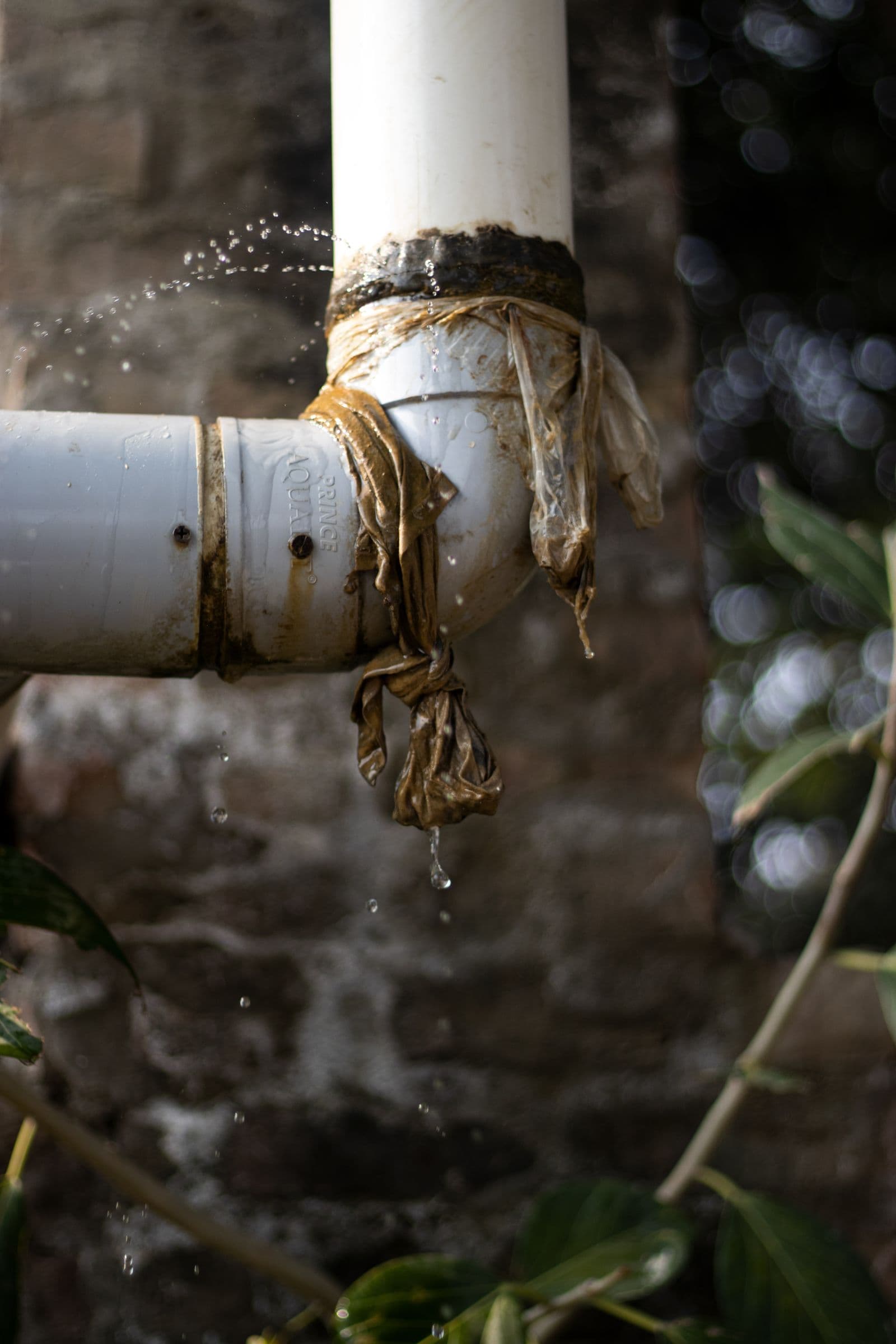
- Leaks at the threaded joints, where the pipe wall is thinnest
Why patching galvanized rarely holds
When one section of galvanized leaks, the fix looks simple. Cut it out and put new pipe in. The trouble is that the pipe on either side of the patch is the same age and just as thin.
Old galvanized can crack at the next joint from the wrench pressure of the repair itself. A good plumber warns you about that before touching it.
There is a second trap. Copper joined straight to galvanized sets up galvanic corrosion, where the two metals eat at the joint. A proper repair puts a dielectric fitting in between.
Plenty of old Valley repairs skipped that fitting, and the joint is often the next leak.
Pressure is the other tell. If the gauge at the hose bib reads fine but the far shower still dribbles, the pipe in between is choked. A new regulator or a new faucet will not fix that.
So one repair is fine in an emergency. On your second or third, the money is better spent on new pipe.
Softened water is a little harder on galvanized than hard water is. If you still have galvanized and you are about to add a softener, have the pipe checked first. It can bring pinhole leaks forward.
What replacing it looks like in a slab home
Most Valley homes with galvanized sit on a slab, with some water lines under the concrete. Digging those out makes no sense. A repipe runs new lines through the attic and down the walls, and the old pipe gets capped and left behind.
Most homes go with PEX for the new lines. It bends around corners, so it needs fewer joints and smaller holes in the walls. Copper is the other choice, and it still makes sense for runs that sit out in the open.
A whole-home repipe takes one to three days in most houses. The walls get opened in spots and patched after, and the water comes back on at full pressure.
A partial repipe is an option too. If only the kitchen and one bath still run on galvanized, we can replace those runs and leave the rest. We check first, because many of these houses are a patchwork of three eras of pipe.
A repipe does not touch the drains. A house old enough for galvanized water pipe often has cast iron or clay drains too, and those age on their own. We can run a camera down the sewer while we are there, if you want to know where it stands.
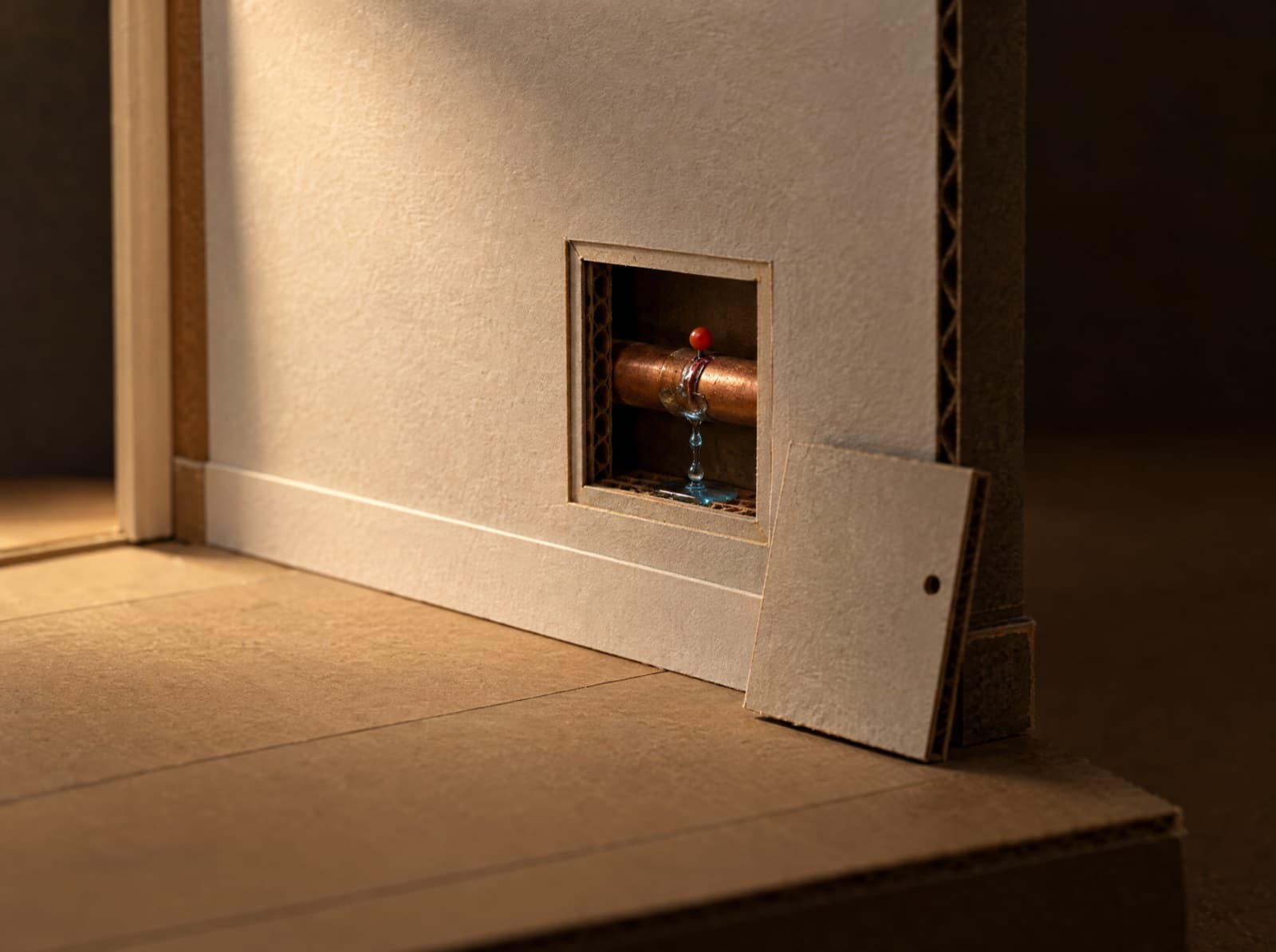
Find out what you have
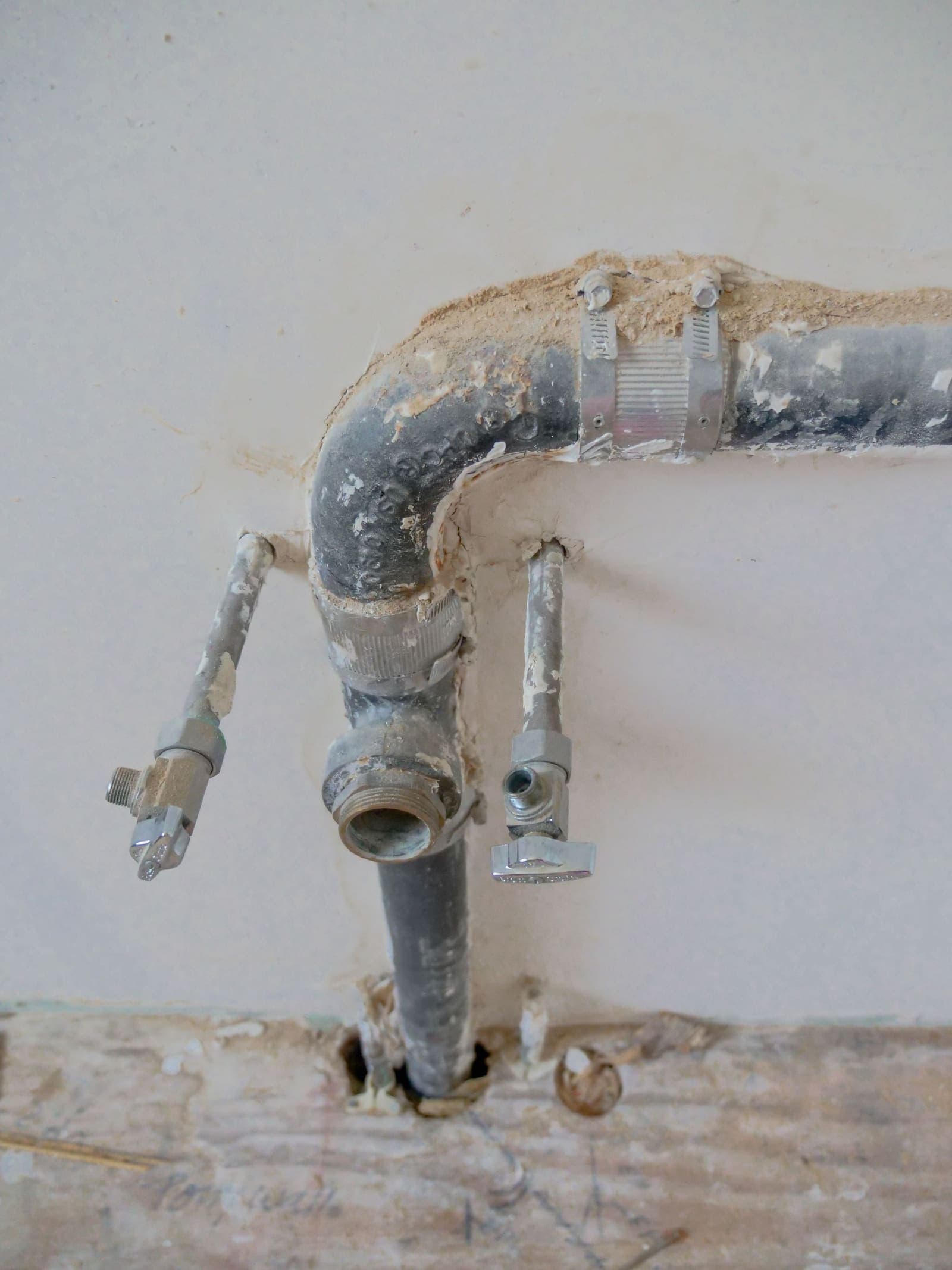
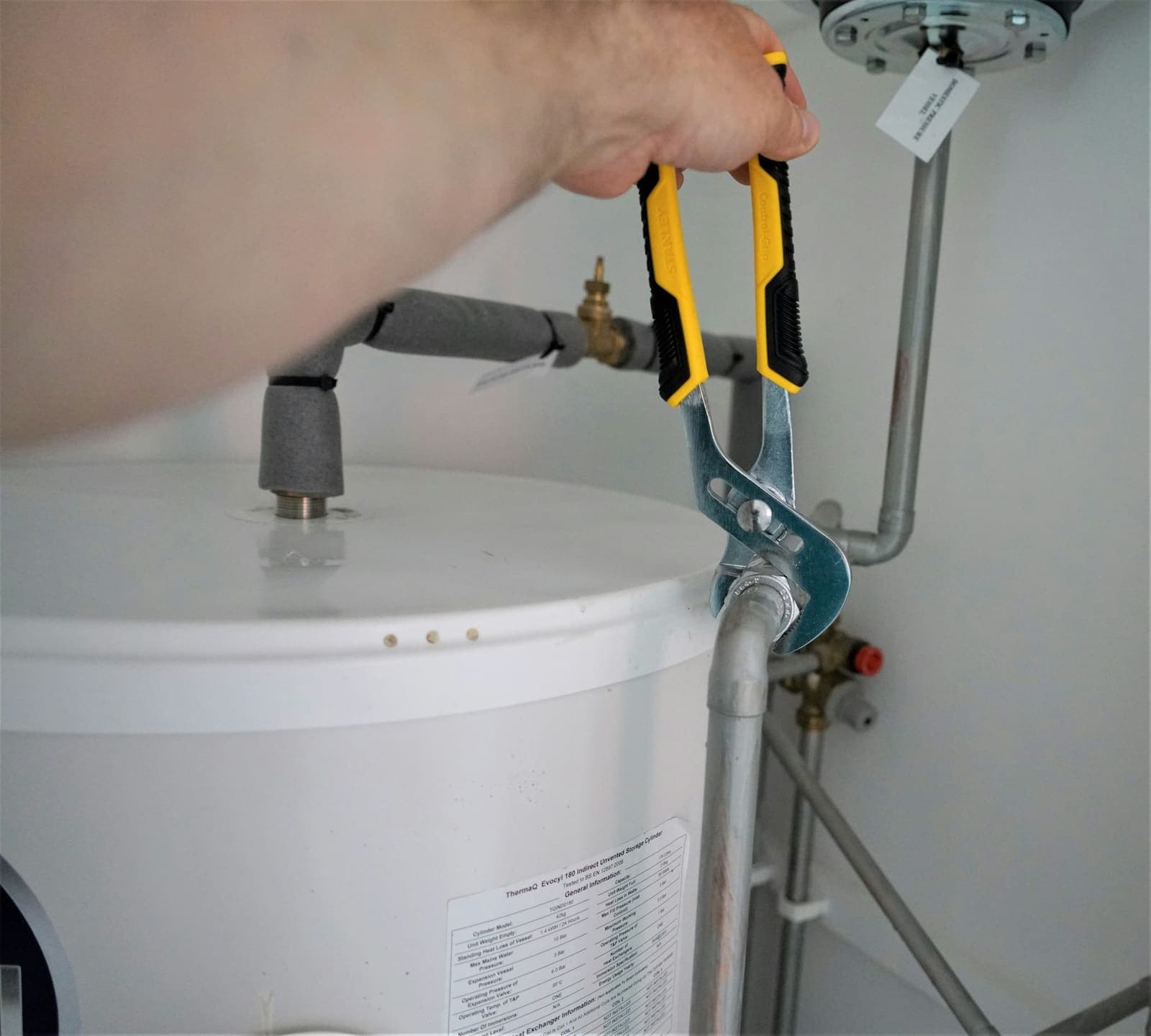
Look at the pipe at your water heater and your main shutoff. If a magnet sticks and the joints are threaded, it is galvanized.
If your house was built before the 1970s and nobody has ever checked, assume some galvanized is still in there. Finding out costs little next to a slab leak or a burst line inside a wall.
Then call us. We check the pipe, read your pressure, and tell you plainly whether you need a repair or a repipe. If it is a repipe, you get an itemized quote for PEX, with copper next to it if you want to compare.