People call us at midnight apologizing. They are worried it is not a real emergency and they are wasting our time. Then they describe water coming through a ceiling.
So here is the honest sorting, the same one we do on the phone. It splits into three groups: call right now, call in the morning, and this needs a plumber but nothing bad happens if you wait a week.
Call right now, whatever time it is
The test is simple. Is water actively going somewhere it should not, or is something unsafe? If yes, the cost of waiting is real and it compounds by the hour.
These seven get a call at any hour:
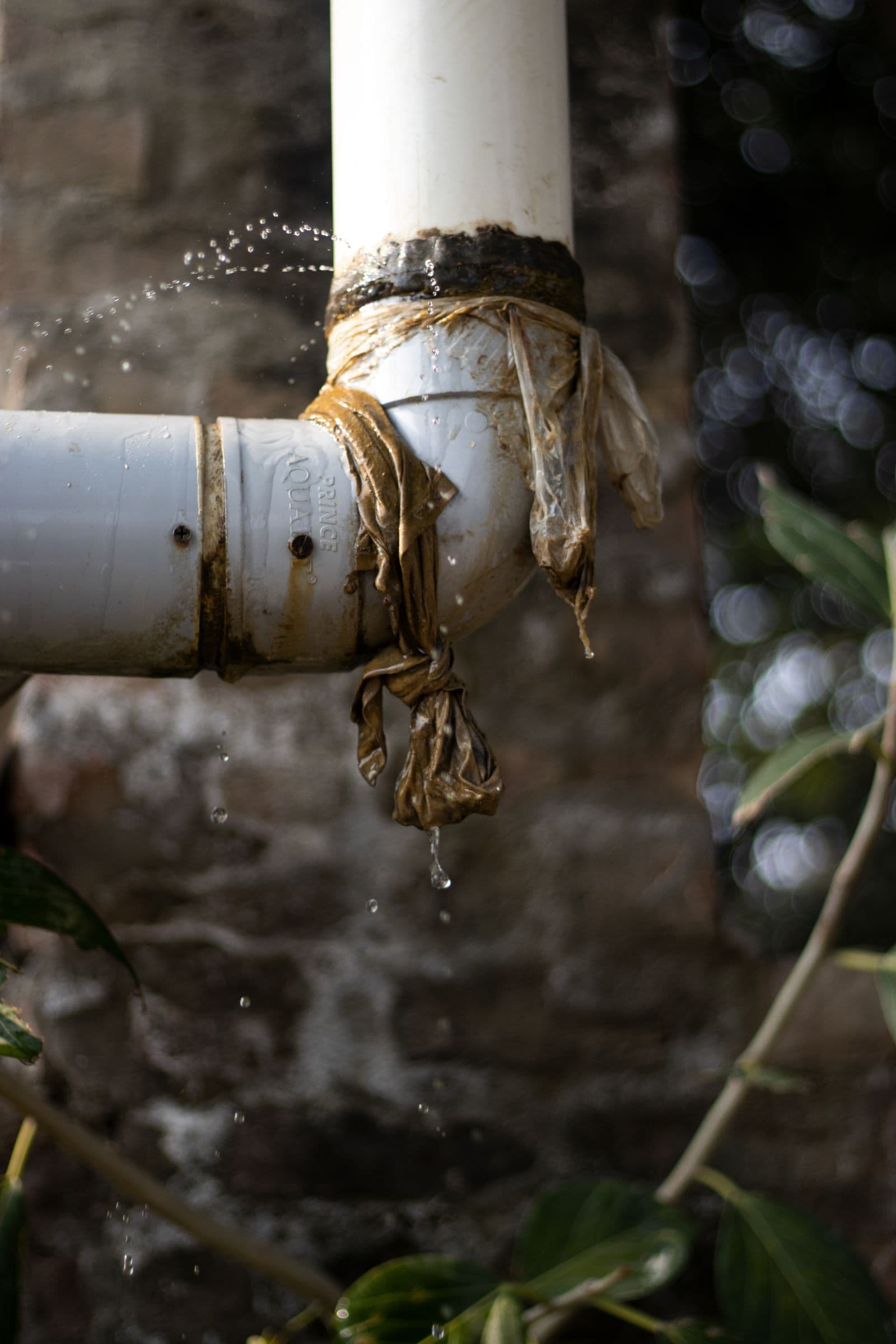
- A pipe that is spraying or pouring and you cannot stop it. Every hour is more drywall, more flooring, and a higher chance of mold.
- Sewage coming up into a tub, shower, or floor drain. That is a health problem, not just a plumbing one, and it usually means the main line.
- No water at any fixture in the house. Could be the main, the meter, or a failed pressure regulator, and you cannot troubleshoot much without water.
- A gas smell near the water heater, the range, or the meter. Leave the house, call the gas company from outside, then call a plumber.
- A water heater leaking from the bottom of the tank. That is the tank itself, not a fitting, and it will not hold.
- A wet or soft spot in the floor that is spreading. Under a slab-on-grade Valley home, that is a slab leak washing out the dirt your foundation sits on.
- Every drain in the house backed up at the same time. One slow sink is a fixture. All of them is the main sewer line.
Before you call about any of these, find your main shutoff and turn it clockwise until it stops. It is the single most useful thing a homeowner can do, and it costs nothing.
Call in the morning, but do call
This group is not urgent tonight. It is urgent this week, because each one is quietly getting worse and the repair grows with it.
- A slow drip behind a wall or under a cabinet. No flood, but it rots framing and grows mold in the dark, and you will not see it until the drywall stains.
- One drain that keeps clogging after being cleared. That pattern means the pipe is coated or cracked, not that you had bad luck twice.
- A running toilet you have to jiggle. In hard Valley water it is usually a worn flapper or fill valve, and it can quietly add thousands of gallons to a bill.
- A water heater that is making popping or rumbling noises. That is scale on the bottom of the tank. It is not going to explode, but the tank is working harder and dying faster.
- Water pressure that dropped across the whole house. Usually a worn out pressure regulator. In older Mesa and Apache Junction homes it can be steel pipe rusting shut.
The reason we put a slow leak here instead of in the urgent group is not that it is harmless. It is that four more hours of a slow drip does not change the repair, while four more hours of an open line does.
Why the Valley makes some of this worse
Two things about Phoenix-area homes change the math on plumbing problems, and neither is obvious if you moved here from somewhere else.
The first is slab-on-grade construction. Almost no houses here have basements. The water lines run in or under a concrete slab, which means a leak has nowhere to show itself. It soaks into the ground under your floor instead of dripping into a basement where you would notice it in a day.
The second is the water. East Valley water is very hard, and scale cuts the life of every water heater, angle stop, and fill valve in the house. So most of what fails here is a worn part, not bad luck. In a house full of original 20-year-old parts, they tend to go in clusters.
Monsoon season adds a third, roughly July through September. Heavy rain finds its way into sewer lines through cracks and bad cleanout caps, and a line that has been draining fine all year backs up during the first real storm.
What to do tonight
Go find your main water shutoff before you need it. Most Valley homes have one in a box near the street and a second on the house side, often near a hose bib or in the garage. Turn it a quarter turn to make sure it is not seized, then turn it back.
If any of the seven in the first list is happening right now, shut the water off and call us. We answer 24 hours a day and we do not charge more at night than we do at noon.